
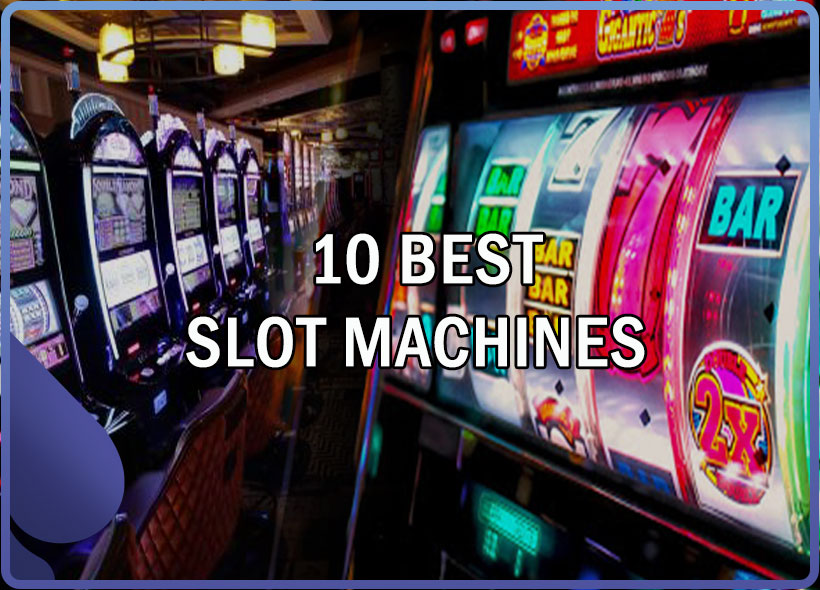
Game creation usually happens behind a screen, sequestered in an office https://spacemanslot.uk/. But a gaming convention propels that digital bubble into a crowd. Bringing Spaceman Game to a major UK event was an ironic and highly valuable adventure. We got to watch the world’s most passionate players encounter our cosmic creation for the first time.
Connecting with Industry Peers
The convention wasn’t just for attendees. It was a gathering spot for industry people. Speaking with platform providers, content creators, and fellow programmers gave us a more comprehensive outlook of the sector. These discussions touched on tech advancements, advertising strategies, and the always-shifting legal framework. This web is a essential tool for finding your way in a intricate industry.
We discussed potential partnerships, discussed common problems with customer engagement, and evaluated new tech. Examining competing products up close, as a programmer and not a consumer, was particularly valuable. It let us measure Spaceman Game’s capabilities and presentation, highlighting both our successes and where we could push further.
The bonds started here often persist than the event itself. They create a backing network and a medium for exchanging insights that’s difficult to replicate online. The casual conference environment encourages open talk, which can result in alliances and concepts that change a game’s development path and its chances for success.
Exhibit Design and Thematic Immersion
We built our stand to be a haven of space inside the convention chaos. We used lighting, headphones for sound, and custom graphics to draw players from the exhibition hall into our game’s https://pitchbook.com/profiles/company/97830-28 cosmos. This swift immersion was crucial. A good exhibit makes a tangible promise about the digital experience in store.
We found that the theme had to permeate everything, from what our staff wore to the promotional items we distributed. Every piece needed to uphold the story of space exploration. This holistic approach helped people get the game’s identity before they touched the screen. It transformed a demo station into a lasting brand moment, making our little corner a place people looked for.

The real-world puzzles of stand design taught us about clarity and scale. How do you convey what Spaceman Game is to someone ten feet away, walking fast? How do you conduct a demo that’s short but still rewarding? Solving these problems pushed us to condense our game’s best features into pure visuals and simple interactions. It was a intensive lesson in marketing.
Promotional Influence and Market Presence
A good convention presence enhances your marketing in several ways. It generates player sign-ups, attracts attention from the press, and creates loads of content for social media. Live streams from the booth, photos with attendees, and clips of their reactions offer authentic promotion. For Spaceman Game, the event acted like a rocket booster for brand awareness, targeting a crowd of super-engaged gaming fans.
Showing up in person establishes legitimacy and trust. It demonstrates your commitment and sets a human face on the development studio. This is important in a market where players care about transparency and talking to developers. The conversations that start at the booth often shift online, turning a casual player into a long-term community member who promotes your game.
The visibility also presents business opportunities. Publishers, affiliate marketers, and media people navigate these floors looking for the next promising title. A well-run booth functions as a beacon for them. The concentrated exposure you get in a few convention days can speed up growth that might take months of online-only work.
The Logistics of Showcasing a Digital Game
Showing a digital game at a physical event comes with its own set of headaches. You need strong, fast internet, but convention Wi-Fi is notoriously unreliable. We developed offline demos to ensure the game works no matter what. Hardware is another concern. Tablets and screens are touched by hundreds of people over days, so they have to be tough.
Running the booth demanded careful planning. Our team had to be familiar with the product inside out to address technical inquiries. They required the charisma to draw in a crowd and the stamina to stay upbeat through long, loud days. We set up shift rotations and clear rules for handling everything from simple questions to obtaining detailed feedback. We sought everyone to present Spaceman Game the same way.
We also had to manage gathering emails and feedback while following data protection laws, a point that’s frequently missed in the event excitement. From making sure we had enough power cables to protecting gear overnight, the operational groundwork was equally important as the creative display. Managing the logistics properly meant our creative vision didn’t fall apart.
Convention Dynamics and Player Feedback
Input at a gaming convention is immediate and direct. en.wikipedia.org You don’t get analyzed online reviews. You get reactions, gestures, and off-the-cuff remarks. For our team, this was a valuable resource. We noticed which features made eyes go round. We noted which sound effects got a positive reaction. We witnessed which game mechanics made people pause and ask a question right away.
When a queue started to develop behind a player, it created a organic pressure test. It showed us how quickly someone new could understand the game’s basics without any guide. We spotted where fingers hesitated over the screen and where they pressed with assurance. That live observation gave us a clear list of improvements for the user interface.
Speaking directly to attendees added value you can’t get from viewing. Players gave us in-depth opinions on the game’s variance, how successfully the theme matched, and the speed of the bonus rounds. These discussions, sometimes several minutes long, gave context to our cold analytics. They illuminated the *why* behind player likes and dislikes, which directly influenced our plans for future updates.
The Unexpected Angle of a Physical Launch
Launching a digital slot game designed for solitary play inside the roaring noise of a convention floor is a curious contradiction. Spaceman Game is centered on the quiet of space. We dropped that virtual universe into a hall teeming with thousands of people, flashing lights, and constant sound. That juxtaposition taught us more than we expected. It showed how human contact alters a digital interaction completely.
The convention underscored a simple point: games are for people, no matter how digital they are. Seeing players gather around our demo station, their faces revealing every reaction, felt nothing like looking at online analytics. This physical launch created a real bridge between our code and the community. It offered us insights a dashboard can’t provide. Engagement, we realized, is a human thing first.
The setting also made us think the physical side of our digital product. We had to consider the angle of a tablet stand and whether our graphics were clear under the harsh venue lights. Perfecting a booth for an online game felt odd, but the lesson endured. Everything around the player, even a noisy convention hall, shapes how they see the game and whether they like it.
Important Insights for Next Gatherings
We came away with a number of lessons for next time. Marketing prior to the event is vital to ensure people can locate you. Your goal shouldn’t just be to let people play. It should be to create a moment they’ll remember and desire to share online, stretching the duration of the event. Each member on your team needs to be a enthusiastic ambassador, armed with knowledge and real excitement.
We learned to structure our demo for a fast punch, emphasizing Spaceman Game’s most thrilling feature in about ninety seconds. We also recognized the importance for a well-defined next step—be it that was registering for a newsletter, following a social account, or simply checking out the website. Securing interest effectively is what transforms a exciting convention minute into enduring contact.
And we realized the work isn’t finished when the lights go down. You must reach out. The connections you formed, with players and other developers, need attention. The feedback you received must be organized, examined, and fed into your development plans. A convention is not a single stunt. It’s a major milestone in a game’s life, and its real value stems from the insights and relationships you develop long after the doors close.

Thinking back on that packed hall, the irony remains striking. Our space-themed digital slot located a energetic, noisy home in a physical crowd. That image solidified a truth for us: even the most digital creations emerge from human interaction. The energy, the live feedback, the shared passion in that space were hard to replicate. It pushed Spaceman Game forward with new purpose and a stronger link to its players.
The trip from our code to the convention floor taught us things no report can. It confirmed the incomparable worth of face-to-face contact in an industry that’s largely online. If other developers wonder if these events are valuable, our answer is a definitive yes. The lessons we acquired, from the practical to the philosophical, will guide how we handle Spaceman Game and anything we build next.
We gathered our things with sore feet, hoarse voices, and a hard drive full of data. But above all, we left with a better, more human sense of who we’re building these games for. That connection is the real win. It transcends any sign-up metric or sales lead. It keeps our work rooted, centered, and aimed at making experiences that actually mean something to people.